
Myopia Control Parent Guide
What every parent needs to know about protecting their child's vision — before it's too late to act.
For Parents
Your Child’s Prescription Is Getting Stronger. Here’s What That Really Means.
A stronger prescription every year isn’t just an inconvenience — it means your child’s eye is physically elongating. And that elongation increases the risk of serious, sight-threatening diseases later in life: retinal detachment, glaucoma, myopic maculopathy.
The good news: myopia progression can be slowed. With the right treatment, started at the right time, we can significantly reduce how high your child’s prescription gets — and protect their long-term vision health.
1,500+ families
trust Eye Medics with their children’s vision
Risk Factors
Is Your Child at Risk?
Myopia has both genetic and environmental causes. Understanding your child’s risk factors is the first step to protecting their vision.
3–6×
higher risk
Parental Myopia
If one parent is myopic, the risk doubles. If both parents are myopic, the risk is 3–6 times higher than average.
2–3 hrs
daily average
Excessive Screen Time
Prolonged near-work and digital device use strains the focusing system and accelerates the eye's elongation.
90 min
daily minimum
Insufficient Outdoor Time
Natural sunlight stimulates dopamine release in the retina, which helps regulate eye growth. Most children get far less.
Treatment Timeline
The Right Treatment at the Right Age
The AAO recommends a comprehensive eye exam before kindergarten. This is also when early myopia is most detectable and most treatable.
The fastest progression years. Annual exams are essential. If myopia is detected, start treatment immediately.
Continue treatment through the peak growth years. Ortho-K and atropine are most impactful during this window.
Myopia typically stabilizes in the late teens. Treatment can be tapered as progression slows.
Treatment Options
Modern Myopia Control Options
We offer three evidence-based treatments. Dr. Singletary will recommend the best option based on your child’s age, prescription, and lifestyle.
Ortho-K (sleepSEE® Overnight Lenses)
43–64% efficacy
Custom-designed rigid lenses worn overnight to gently reshape the cornea. Wake up with clear vision all day — no glasses, no daytime contacts. The gold standard for myopia control.
Learn about sleepSEE®Low-Dose Atropine Eye Drops
50–77% efficacy
A daily low-concentration atropine solution that relaxes the focusing mechanism. Shown to reduce progression by up to 77%. Often combined with Ortho-K for maximum effect.
Specialty Multifocal Soft Lenses
25–50% efficacy
Daytime contact lenses with different optical zones that reduce the peripheral defocus signal that drives eye elongation. A good option for children who prefer daytime correction.
Daily Habits
Simple Steps That Make a Real Difference
While clinical treatments are the most effective way to slow progression, these daily habits provide meaningful additional protection — and they’re free.
The 20-20-20 Rule
Every 20 minutes of screen time → look at something 20 feet away for 20 seconds. Reduces eye strain and focusing fatigue.
90+ Minutes Outdoors Daily
Natural sunlight stimulates dopamine release in the retina, which helps regulate eye growth. Morning light is especially beneficial.
Proper Reading Distance
Hold books and devices at least 12–16 inches from the eyes. Use the Harmon Distance: elbow to knuckle.
“We were so worried about our daughter’s vision getting worse every year. Dr. Singletary and the treatment program have been a game-changer. Her prescription has been stable for two years now, and she loves the freedom of not wearing glasses at school!”
— The Johnson Family, Fayetteville NC
Frequently Asked Questions
When is the best age to start myopia control?
The earlier, the better. Treatment is most effective when started as soon as myopia is detected, typically between ages 6 and 12, when the eye is growing most rapidly. Starting early means we have more years to slow progression and keep the final prescription lower.
Are these treatments safe for children?
Yes. All our myopia control treatments — Ortho-K, low-dose atropine, and specialty soft lenses — have been extensively studied in peer-reviewed clinical trials and are considered safe and effective when managed by a qualified optometrist.
How long does treatment last?
Myopia control is typically continued through the teenage years until the eye stops growing, usually around the late teens or early twenties. Treatment can be tapered as progression slows.
Does insurance cover myopia control?
Most standard vision plans do not cover Ortho-K as it's a specialty service. However, FSA and HSA funds can be used. We accept TRICARE and offer flexible payment plans. We'll help you understand all available options during your consultation.
What's the difference between Ortho-K and regular contact lenses?
Regular contact lenses correct vision during wear but do nothing to slow progression. Ortho-K lenses are worn overnight and actively reshape the cornea — providing clear vision during the day AND slowing myopia progression by 43–64%.
Is Your Child's Prescription Getting Worse Every Year?
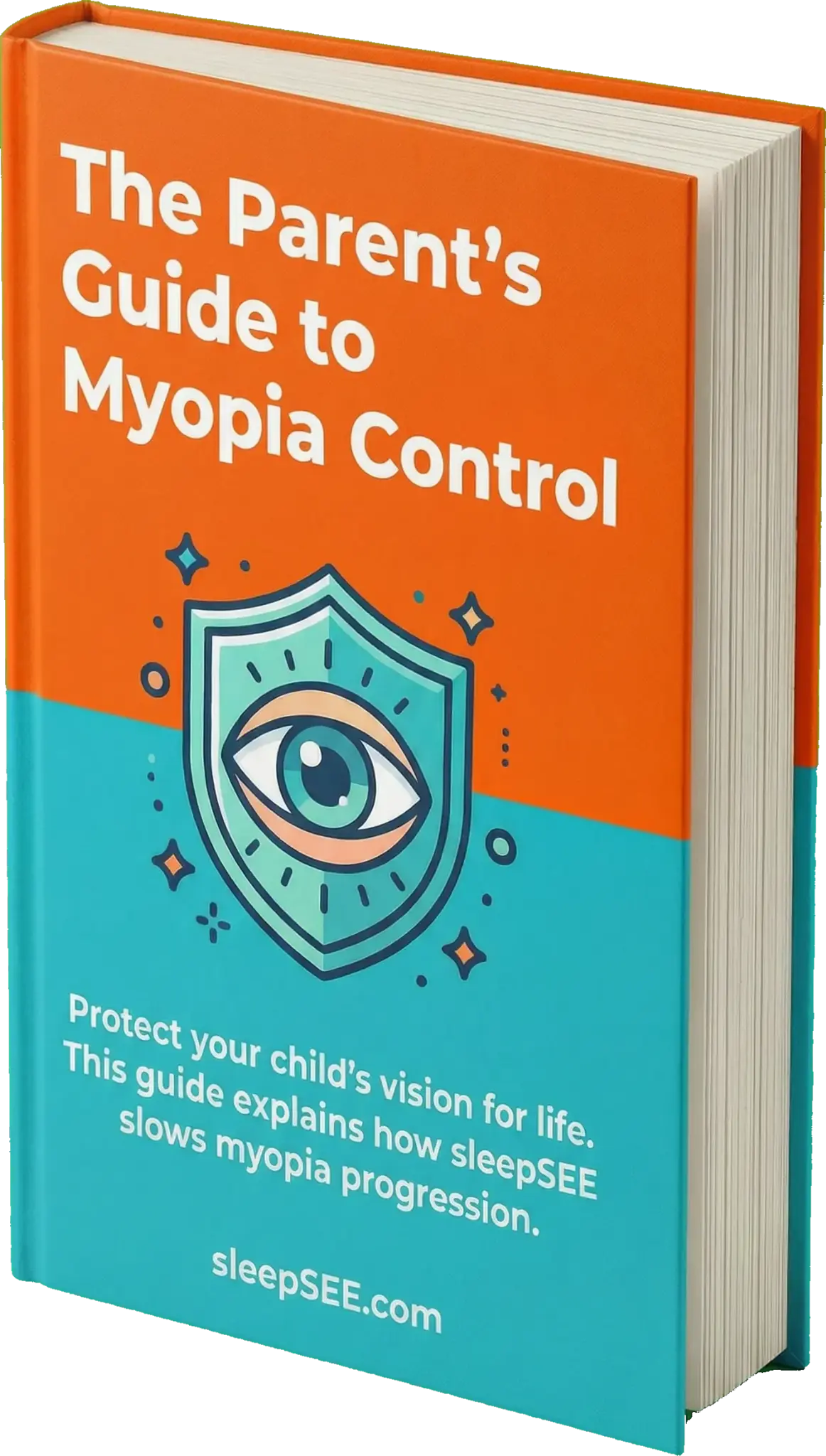
Most parents don't realize myopia isn't just a vision problem — it's a progressive condition that can be slowed. Our free guide explains exactly how, in plain language.
- Learn why your child's glasses prescription keeps getting stronger — and what you can actually do to stop it
- Discover the overnight lens treatment that lets kids see clearly all day, without wearing glasses or contacts
- Find out if your child is a candidate for myopia control and what to expect from treatment
Free for parents. No purchase required.
Last reviewed: February 2026 by Dr. James H. Singletary, OD, FIAOMC
Medical Disclaimer
This page is for informational purposes only and does not constitute medical advice, diagnosis, or treatment. The information provided here should not be used as a substitute for professional medical advice from a qualified eye care provider. Always consult with a licensed optometrist or ophthalmologist regarding any eye health concerns, symptoms, or treatment decisions.
Ready to Schedule Your Visit?
Our team is here to help you and your family see clearly. Book your appointment today.
